
Caregivers report meaningful gains after gene therapy in EMBARK DMD trial
New research emphasizes that achieving even modest functional improvements in DMD is meaningful to families.
New research emphasizes that achieving even modest functional improvements in DMD is meaningful to families.

Fewer than half of participants with DMD who were prescribed LVR therapy adhered to their treatment protocol, a study found.

Treatments that boost levels of the muscle protein desmin may help protect the heart in people with DMD.
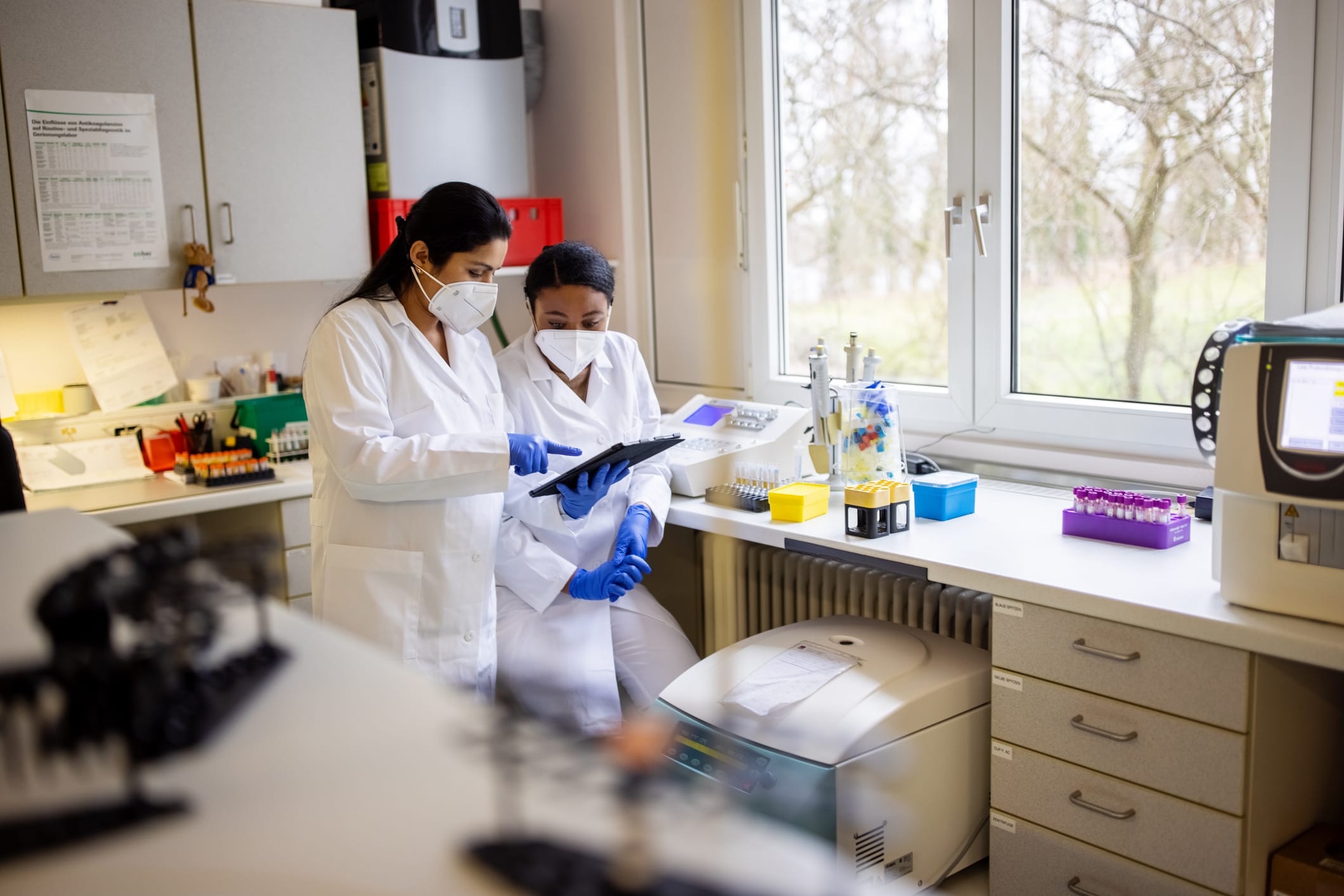
A gene therapy called GNT0004 improved muscle and heart function in DMD but caused heart rhythm problems at high doses.
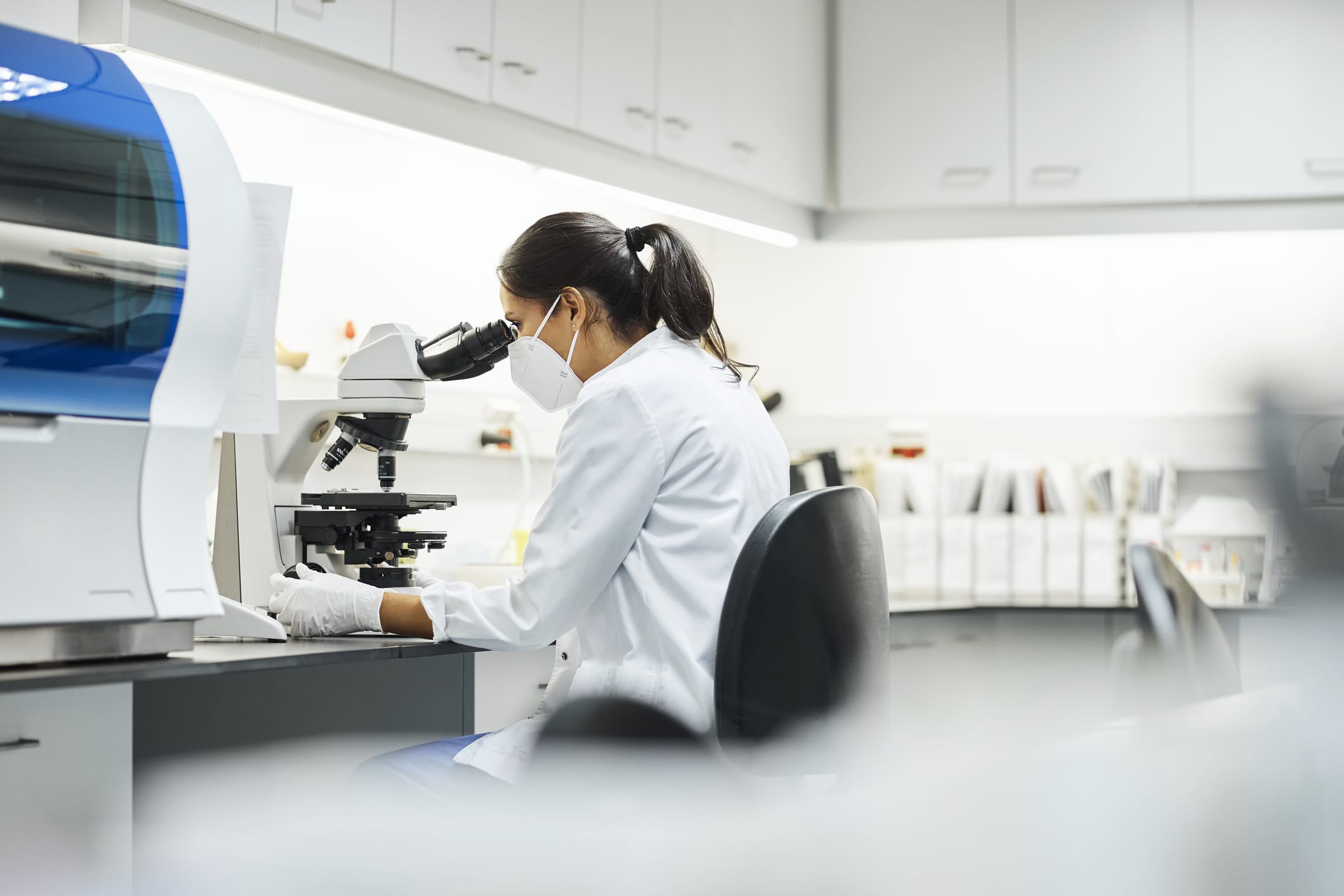
Researchers found that trehalose further improved cellular function in animal models of DMD treated with microdystrophin therapy.

Orthopedic surgery in patients with DMD should be performed within the first year after initial gait loss for a higher chance of success.

A new review finds ongoing gaps in how people with DMD move from pediatric to adult care, and urges better coordination between care teams.
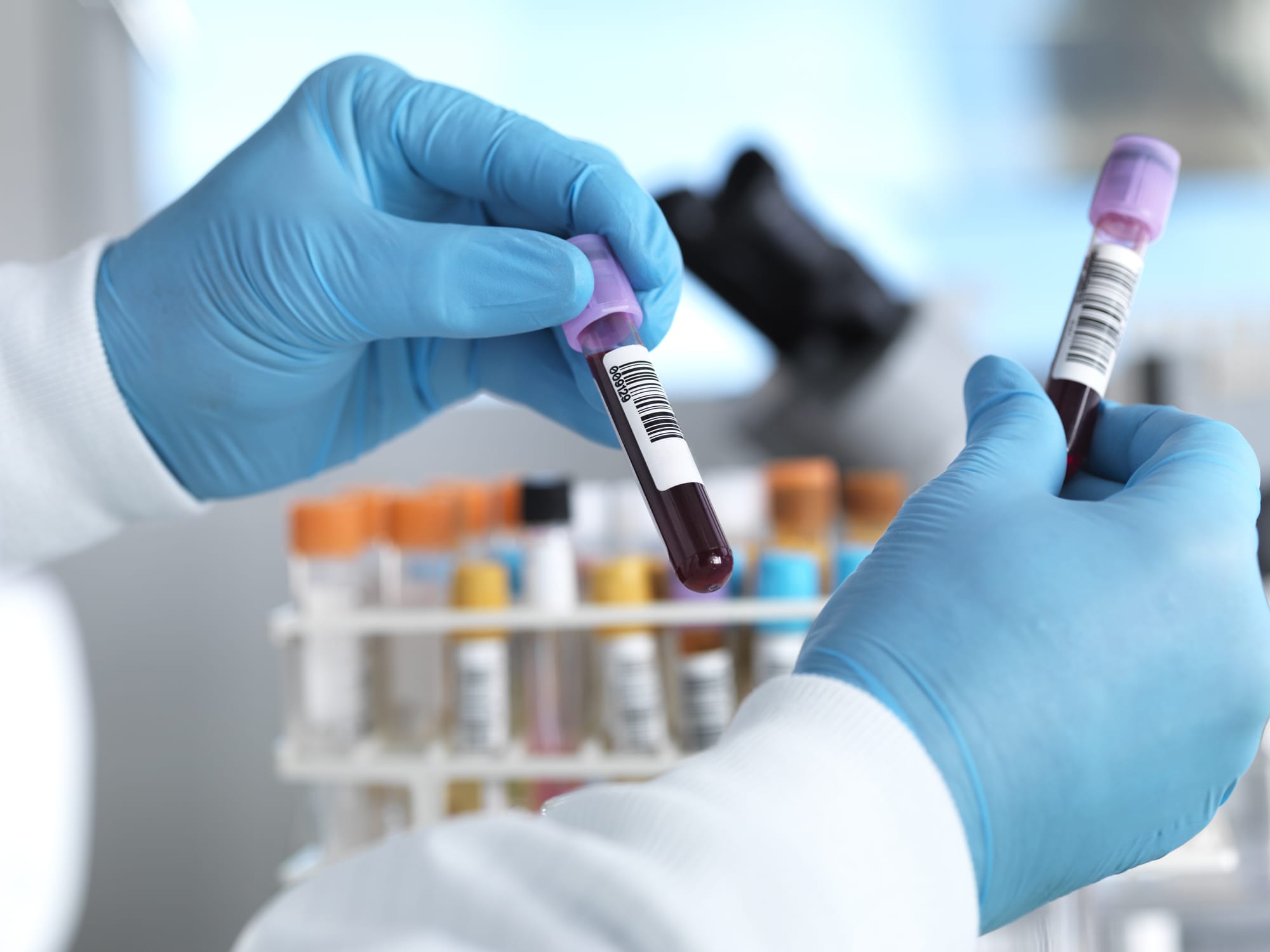
Blood tests could one day help doctors predict how quickly DMD will progress and measure how well new treatments are working.

A new study assessed the maximum risk of treatment-related death that people would accept to receive gene therapy for DMD.

A study found that a synthetic compound known as a BB polymer may protect skeletal and cardiac muscles from damage in DMD.
