
New research compares corticosteroid dosing regimens for DMD
Intermittent prednisone increased the risk of cushingoid appearance, excess hair growth and high blood pressure in patients with DMD.
Intermittent prednisone increased the risk of cushingoid appearance, excess hair growth and high blood pressure in patients with DMD.

Virtual reality (VR) is becoming a promising tool in the rehab toolbox for people with Duchenne muscular dystrophy (DMD).

For people with DMD, physical activity is about more than walking, with independence and quality of life tied to meaningful movement.

Scoliosis-correcting surgery may prolong survival in patients with Duchenne muscular dystrophy (DMD), according to study.

A new study found that blocking the protein EZH2 with an inhibitor drug improved muscle health and function in mice with DMD.

A new genetic therapy, WVE-N531, has shown promise in improving muscle health in boys with Duchenne muscular dystrophy (DMD).

Starting heart medications early in boys with Duchenne muscular dystrophy (DMD) did not prevent the heart’s decline over five years.
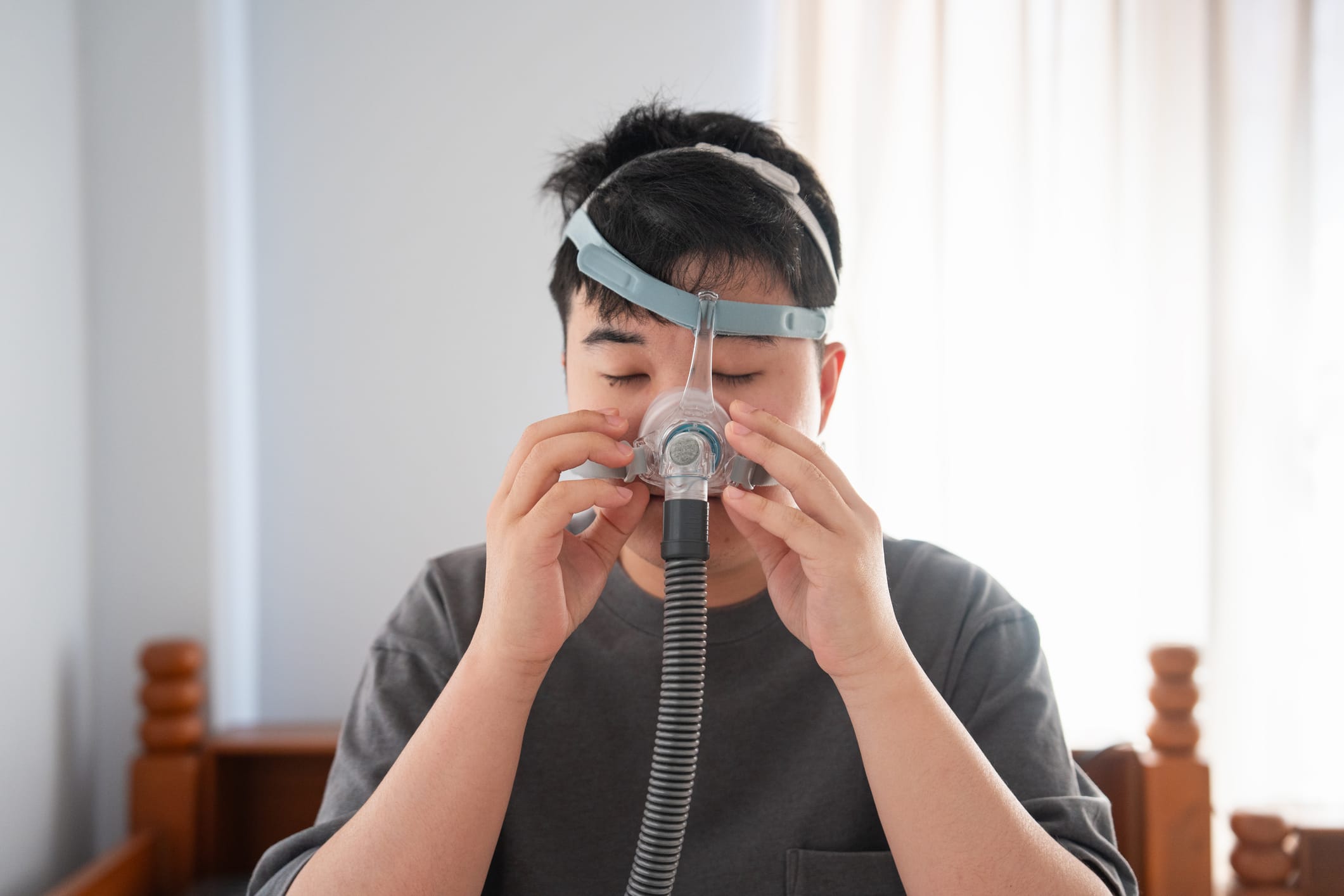
A recent case study shows the challenges of initiating non-invasive ventilation (NIV) in patients with DMD and neurocognitive comorbidities.

In Duchenne muscular dystrophy (DMD), the age when symptoms start and how quickly they get worse can be very different from person to person.

Boys with DMD have a harder time doing two things at once than their peers without the disease, negatively affecting everyday life.
