
RNA therapy boosts utrophin levels in boys with Duchenne muscular dystrophy
In a first-in-human trial, RAG-18 increased muscle utrophin levels by up to 5.25-fold in three boys with Duchenne muscular dystrophy (DMD).
In a first-in-human trial, RAG-18 increased muscle utrophin levels by up to 5.25-fold in three boys with Duchenne muscular dystrophy (DMD).

The repetitive thoughts that mothers of boys with DMD may have are linked to both their own mental well-being and to how well their sons move.

While newborn screening for DMD is possible, there’s limited evidence on whether earlier diagnosis improves outcomes.

Bone fragility in DMD is common: A new analysis found low bone density affected 62% of patients and fractures affected 38%.
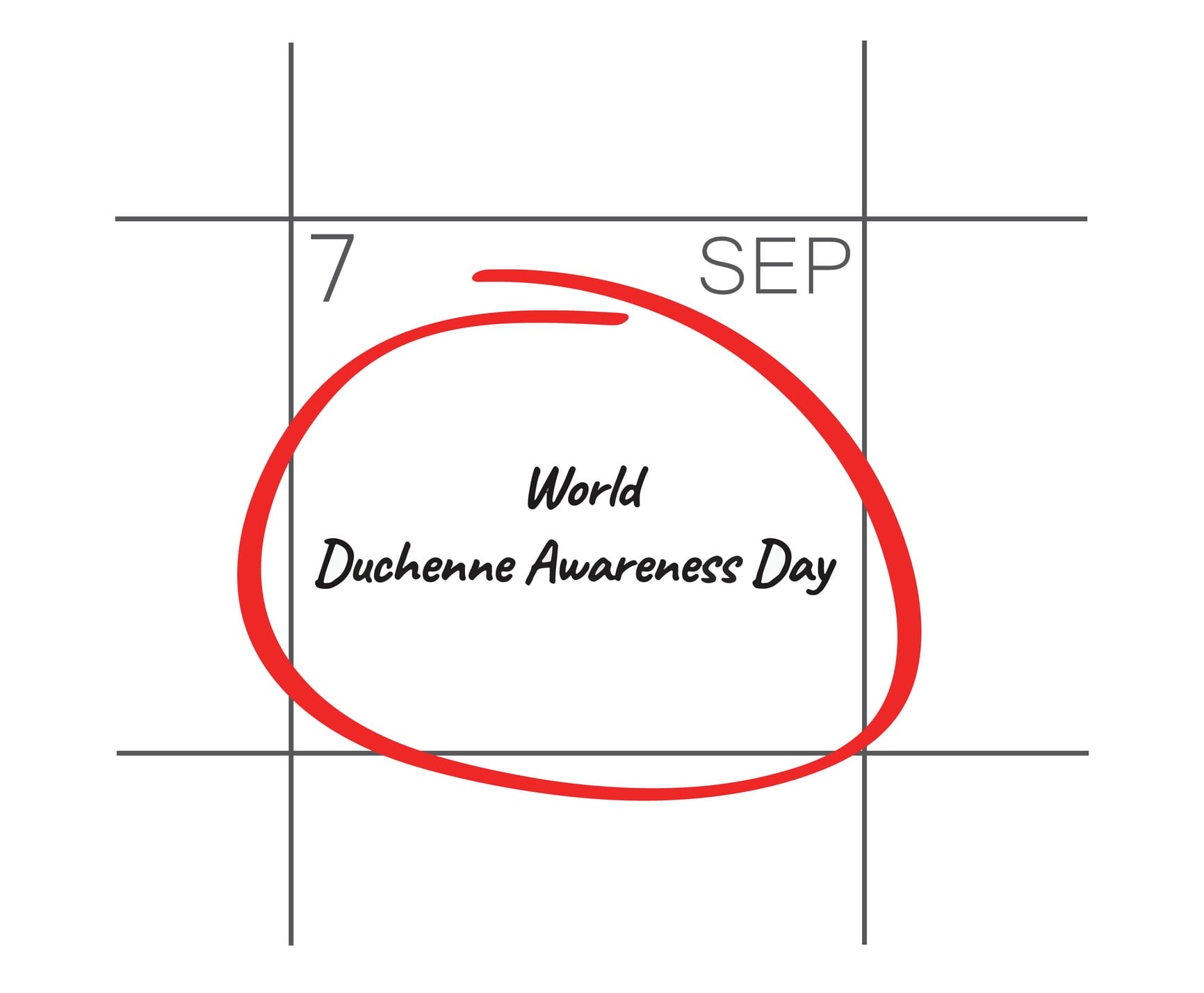
Sept. 7 is World Duchenne Awareness Day. This year’s theme, “Access Changes Lives,” is a call for more access to care and support.

The FDA set a new decision date of Nov. 22, 2026, for deramiocel in DMD, after Capricor submitted new data.
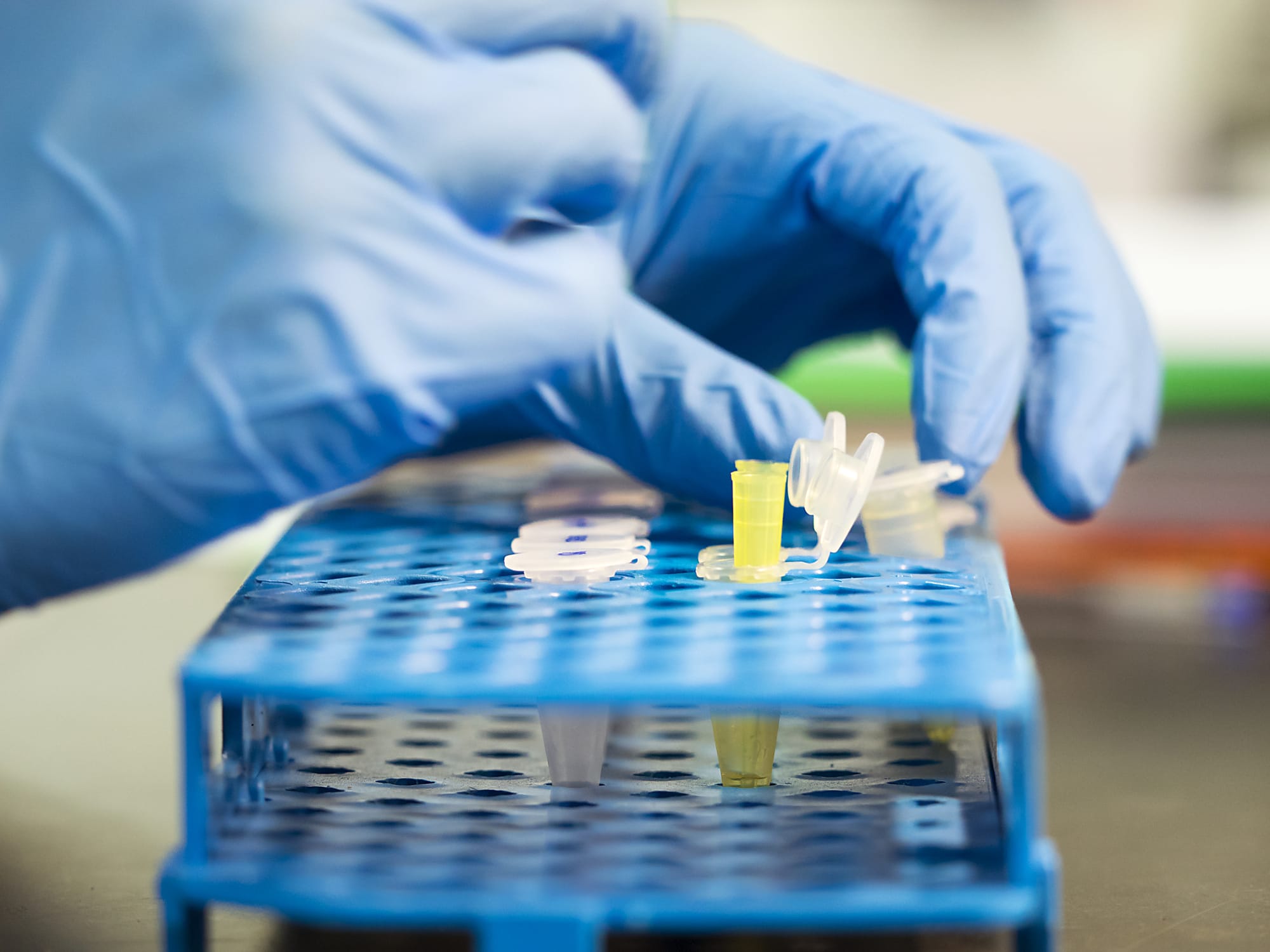
In Duchenne muscular dystrophy (DMD), using two genetic tests together finds more cases than one test alone.

An FDA advisory panel voted that current evidence doesn’t support Capricor Therapeutics’ deramiocel for heart disease in DMD.

The FDA accepted Dyne’s application for z-rostudirsen, an exon 51 skipping therapy for DMD, with a decision expected in early 2027.

DMD drugs Amondys 45 and Vyondys 53 are under review for full FDA approval after the FDA accepted Sarepta’s applications.
