
Study examines effect of sleep problems in early DMD
Early-stage DMD sleep problems are primarily behavioral and not yet physiologically impactful, according to a recently published study.
Early-stage DMD sleep problems are primarily behavioral and not yet physiologically impactful, according to a recently published study.

(Z)-Endoxifen, a drug being developed by Atossa Therapeutics for DMD, recently received Rare Pediatric Disease Designation from the FDA.

A new treatment candidate for DMD increased dystrophin levels and improved movement while keeping lung function steady.

A better grasp of the molecular mechanisms underpinning DMD may accelerate therapeutic development.

Findings from the HOPE-3 trial indicate that deramiocel may improve cardiac and skeletal muscle health in patients with DMD.

In mouse and human cell models of DMD, treatment with obestatin repaired muscle damage and improved cellular function.

A steroid improved memory and brain cell connections in a mouse model of Duchenne muscular dystrophy (DMD).
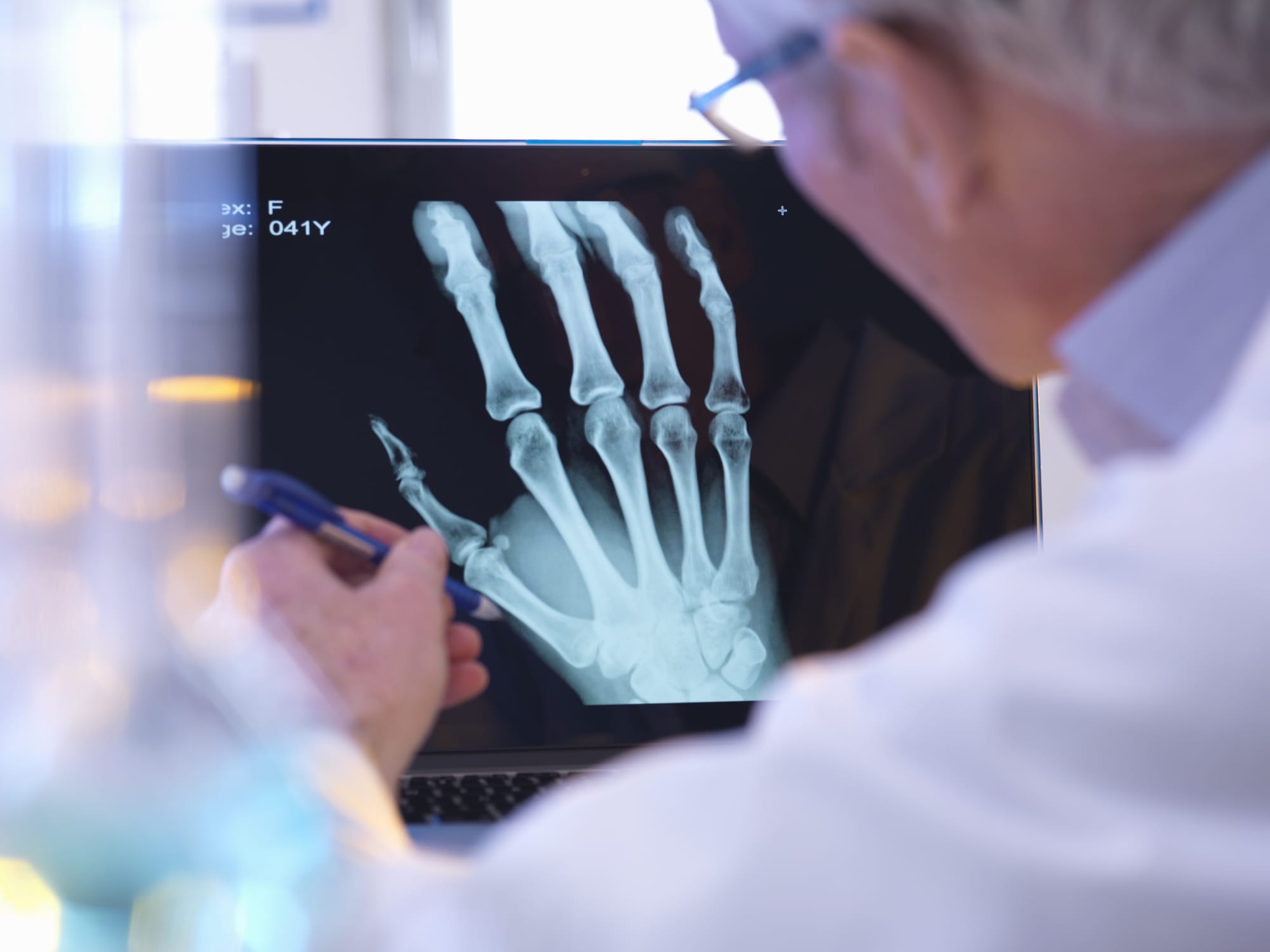
Bone health index and bone age may be practical, noninvasive tools that could complement DXA in clinical care for DMD, researchers say.
The FDA authorized Sarepta to test whether using sirolimus before gene therapy can lower the risk of acute liver injury in nonambulatory DMD.

Targeting breathing muscles improved dystrophin levels and reduced damage with fewer liver risks in a mouse model of DMD.
