
How muscle strength and flexibility shift over time in boys with DMD
Muscle weakness in Duchenne muscular dystrophy (DMD) does not follow a simple decline, but has periods of stability before worsening.
Muscle weakness in Duchenne muscular dystrophy (DMD) does not follow a simple decline, but has periods of stability before worsening.

Mice studies show that the activation of endogenous utrophin is a promising therapeutic strategy in alleviating DMD symptoms.

The lack of clear information combined with the limited treatments for DMD impact shared decision making between families and providers.
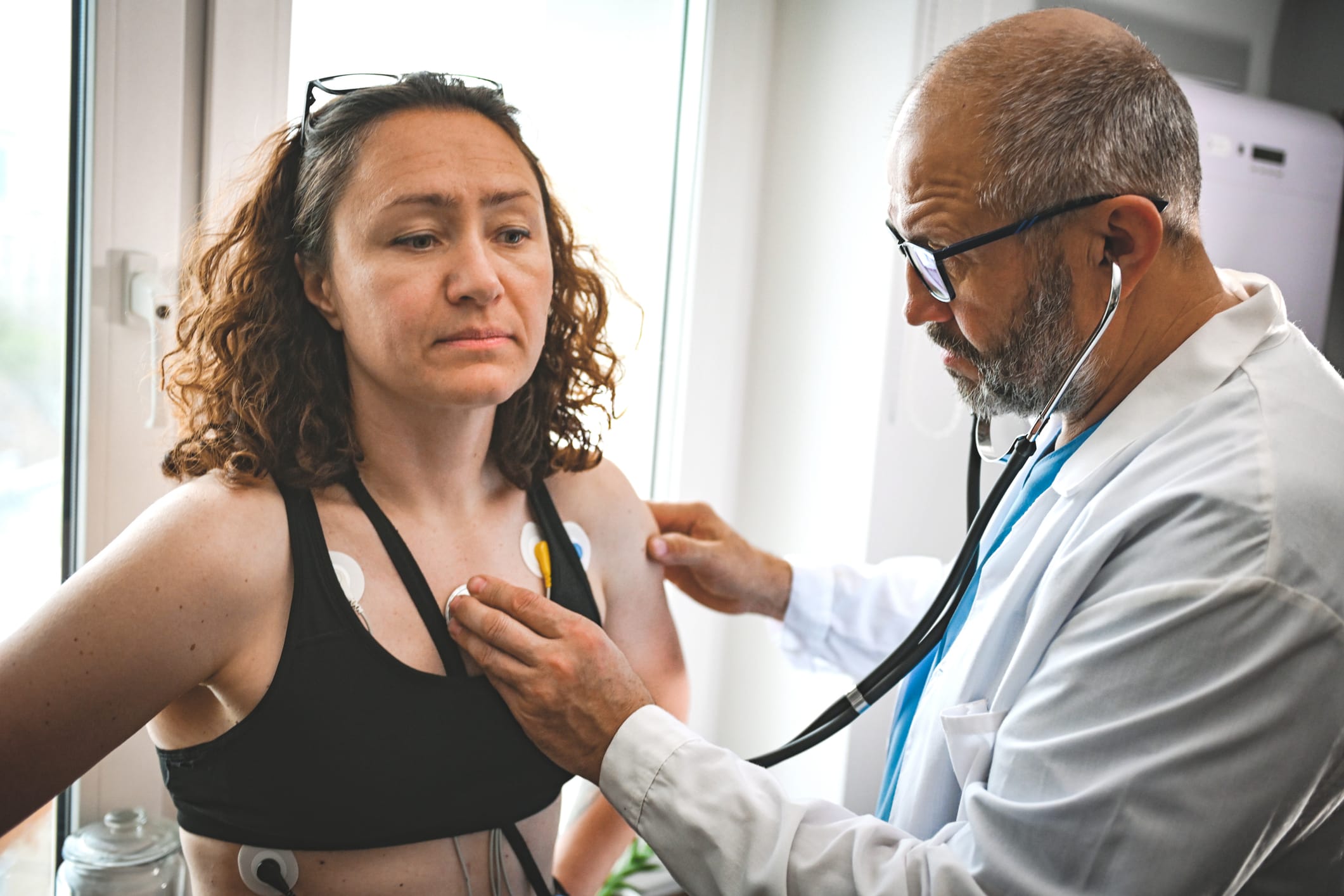
A new study suggests that some female carriers of Duchenne muscular dystrophy (DMD) mutations experience symptoms and complications.

A 16-year-old boy with Duchenne muscular dystrophy (DMD) died of acute liver failure several months after receiving Elevidys, a gene therapy.

A recent systematic review highlighted the risks associated with various anesthetic techniques in patients with DMD.

Parents of patients with DMD exhibit some positive psychological and emotional growth, but would benefit from better support systems.

Young adults with DMD want to live meaningful, independent adult lives, but face challenges in social participation.

Researchers identified two previously unreported mutations in the Dystrophin gene, providing new insights into muscular dystrophy.

Patients with Duchenne muscular dystrophy (DMD) who can walk beyond the age of 12 appear to have better cardiac function during adulthood.
