
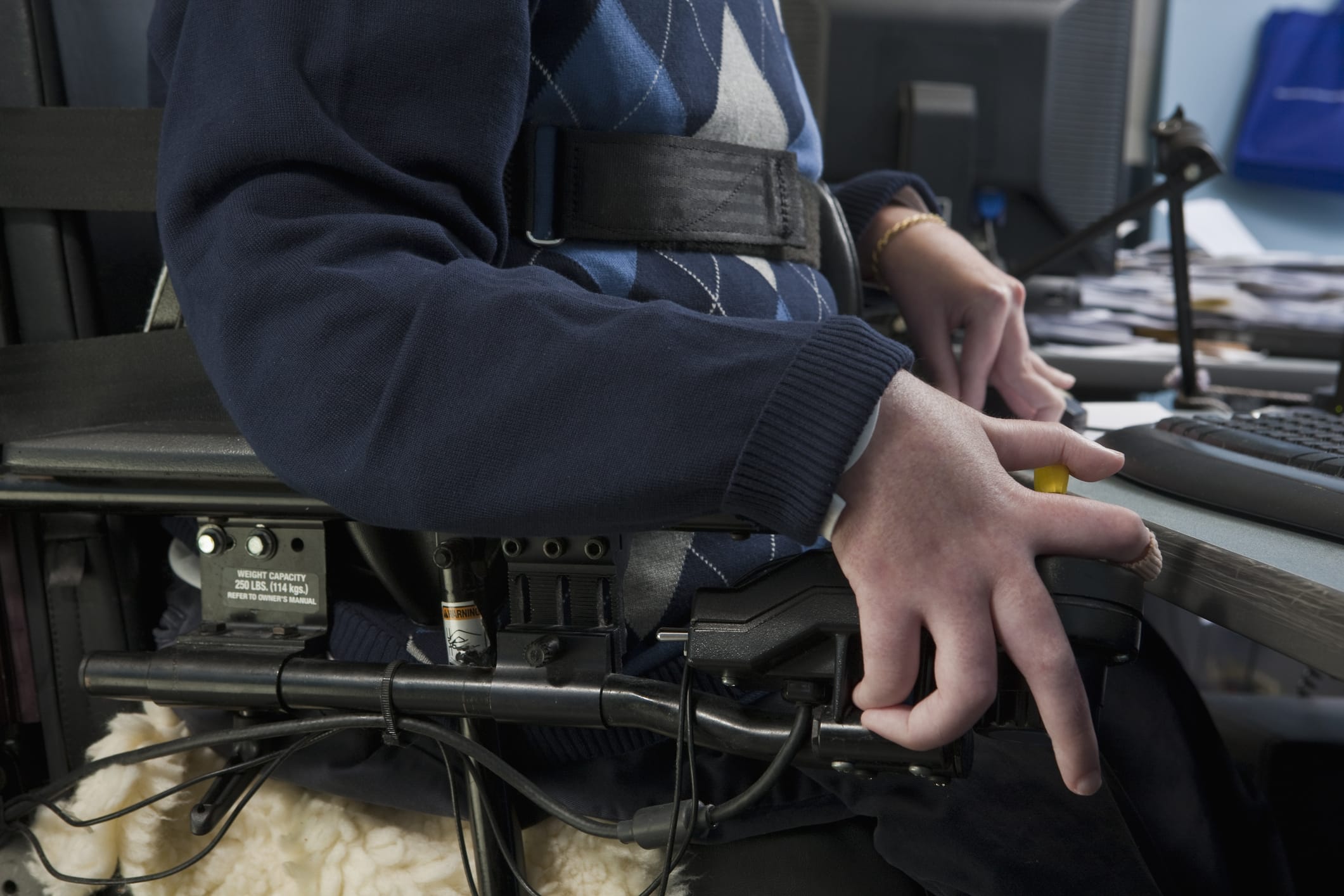
Whether it’s moving out of a childhood home, going to college or starting a career, independent living is a major milestone for many young adults. If you live with Duchenne muscular dystrophy (DMD) or your child has been diagnosed, you may be wondering if this will be possible for your future, too.
With the proper tools and resources, many adults with DMD can absolutely lead independent lives.
What does it mean to live on your own with DMD?
For individuals with DMD, “living on your own” can take on many different meanings, depending on your age, health status and other factors.
Read more about helpful links and resources for DMD
Living on your own doesn’t have to mean moving away from home. Many young adults with DMD, for example, attend college. While some choose to live on campus, others may decide to live at home and commute to school.
In either case, individuals will have the opportunity to independently manage their workload, social lives, living expenses and more. There are a number of resources available to help students with DMD navigate college when it comes to connecting with other college-aged adults with DMD or navigating accessibility on campus.
The same goes for adults who are entering the workforce. Regardless of whether you live at home or not, success in the workplace is more than possible for people with DMD.
The transition to independent living can be difficult, especially for people whose parents have been their primary caregivers for most of their lives. If this is the case, taking things step by step can help your family identify areas where complete self-sufficiency is possible or where additional support may be needed.
The role of caregivers in independent living
Whether they’re professional staff or a close family member or friend, caregivers play a vital role in independent living with DMD. Caregivers can assist in many daily tasks, including:
- Transportation.
- Personal hygiene.
- Cooking.
- Handling medical equipment.
- Food preparation.
Caregivers can be hired either through an agency or privately. Additionally, they can either be live-in assistants or stop by a few times a day, depending on your needs.
Communication is key when it comes to hiring and working with a caregiver. Make sure you know the areas where you do and don’t need support, and set these expectations early on with the knowledge that they may change as time goes on.
Finding accessible housing
One of the challenges of moving out when you have DMD is locating a housing option that meets your accessibility needs. Here are some tips for getting started on your housing search:
- Look for housing resource centers: Some states have online registries that allow you to filter housing units based on different accessibility features.
- Consider elevator issues: If you require an elevator to access your home, be sure to think about elevator outages and understand what solutions will be provided to you if the elevator is out of service.
- Inquire about modifications: If you won’t be owning your future home, talk to your landlord about making modifications like widening doorways or lowering counters. Federal law requires that landlords make reasonable accommodations, though the tenant may need to pay for the modifications.
Although living independently may require a few more considerations for adults with DMD, it is an attainable goal for many.
Sign up here to get the latest news, perspectives, and information about DMD sent directly to your inbox. Registration is free and only takes a minute.
