
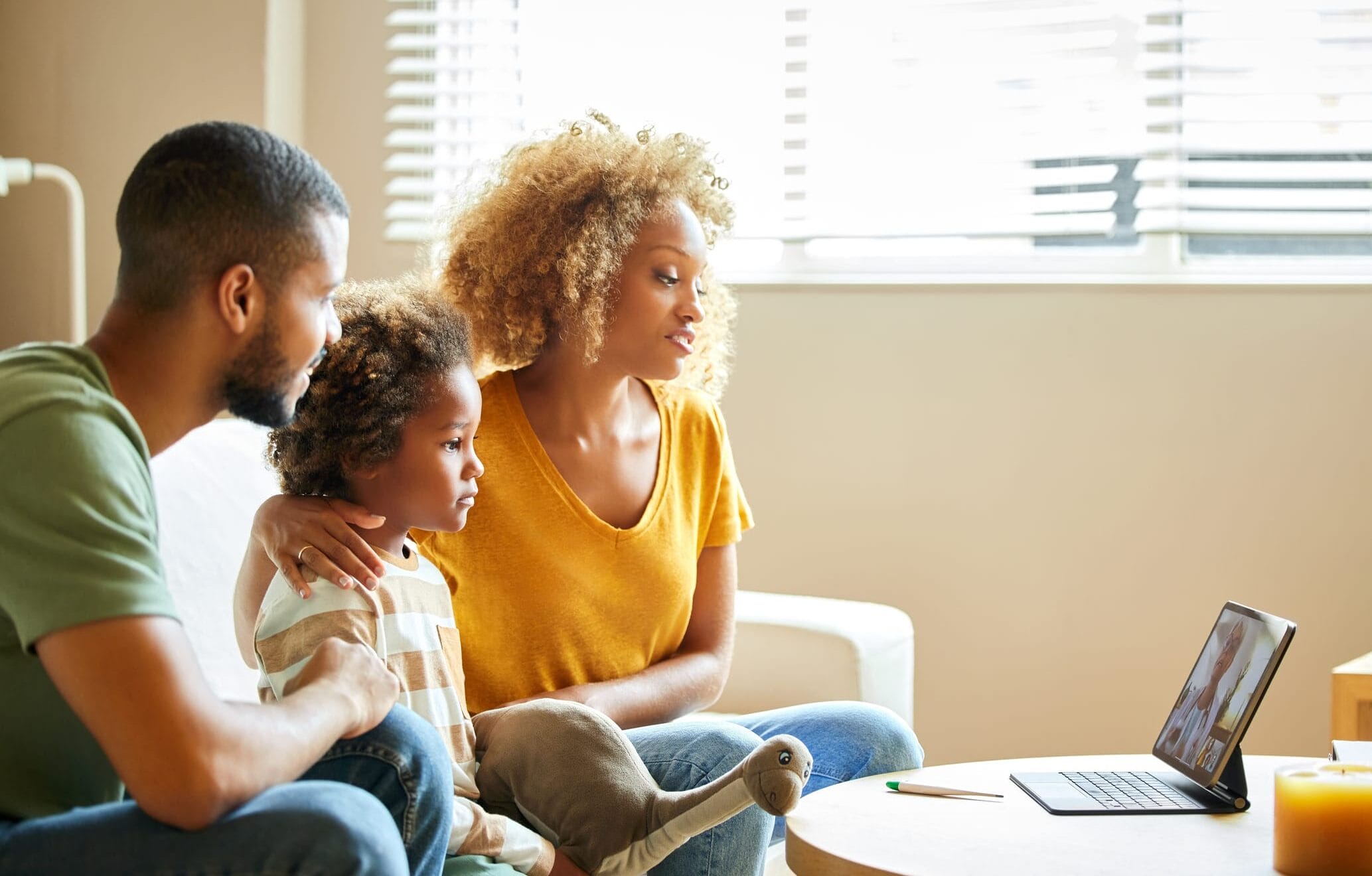
Telemedicine is the experience of seeing a doctor virtually, typically through video call. It has steadily gained popularity since the COVID-19 pandemic as it means patients and families can get care without the fuss or health risks that come from travelling to a medical facility.
While some needs have to be treated in person, patients with Duchenne muscular dystrophy (DMD) can now receive much of their care through telemedicine. Here’s how to make those visits a success.
When are telehealth visits helpful?
DMD generally means many medical visits with a whole team of providers, from neuromuscular specialists to occupational therapists. Many patients and families need to travel long distances to see these specialists. As Duchenne progresses and mobility becomes more and more impacted, the logistics of getting to appointments becomes even more complicated.
Telemedicine removes the barrier of distance. With telemedicine, patients can receive care from the comfort of their own home. These are some areas where it is especially helpful.
Monitoring muscle strength
In DMD, telemedicine is often used by care teams to remotely monitor muscle strength and physical rehabilitation. During the pandemic when physical access to healthcare facilities was limited due to the risk of infection, some doctors chose to use telemedicine as a means to monitor exercise movements, disease progression and overall well-being, including mental health. Thanks to the convenience of virtual visits, this is now a common part of care.
Read more about DMD testing and diagnosis
If your child’s doctor has prescribed a physical rehabilitation program, telemedicine can be a great way for the provider to watch how well a patient performs the movements they were taught. They can also discuss changes in fatigue levels, ambulation and other movement, as well as orthoses (“moon boots”) use. In addition, medication side effects can generally be assessed via telemedicine.
Nutrition, mental health and other support
Muscle strength is far from the only time telemedicine is applicable in DMD.
Nutrition counseling can often be done virtually. A nutritionist can discuss weight management (in the earlier stages of DMD) or malnutrition (in the later stages) without the need for a patient to be in-person.
Psychological support can also be provided virtually. Through video conferencing, patients can talk with a therapist or a support group of peers.
What telemedicine can’t cover
While telemedicine can be useful for consultations that entail observation and discussions, it has a number of limitations. Most tests need to be conducted in person. These include blood work, electrocardiograms, the 6-minute walk distance test and medical imaging.
In addition, medical emergencies always require in-person care. Even if you’re concerned the ER won’t be prepared for a patient with Duchenne, never arrange a telemedicine consultation for emergency health situations. (Instead, learn and prepare for emergency care needs.)
If you’re unsure of what can be covered in a teleconsultation and what requires an in-person visit, speak to your care team. Generally speaking, telemedicine can be used for more routine appointments that do not require physical touch or machines for assessments. Anything that requires the physical presence of a doctor cannot be done over a video call. If in doubt, it is best to arrange to see a doctor in person instead of taking a chance via a virtual visit.
Preparing for a virtual visit
Before you begin a virtual visit, ensure that you are in a well-lit room with a stable internet connection. Test the speakers and microphone ahead of time to make sure everything is working as it should.
Just like an in-person visit, write down any questions ahead of the appointment to ensure they’re not forgotten in the moment.
If this is your child’s first appointment with a provider, the doctor will likely ask about their medical and treatment history. Be prepared to give a detailed account of what has happened in their medical care so far.
Sign up here to get the latest news, perspectives, and information about DMD sent directly to your inbox. Registration is free and only takes a minute.
