
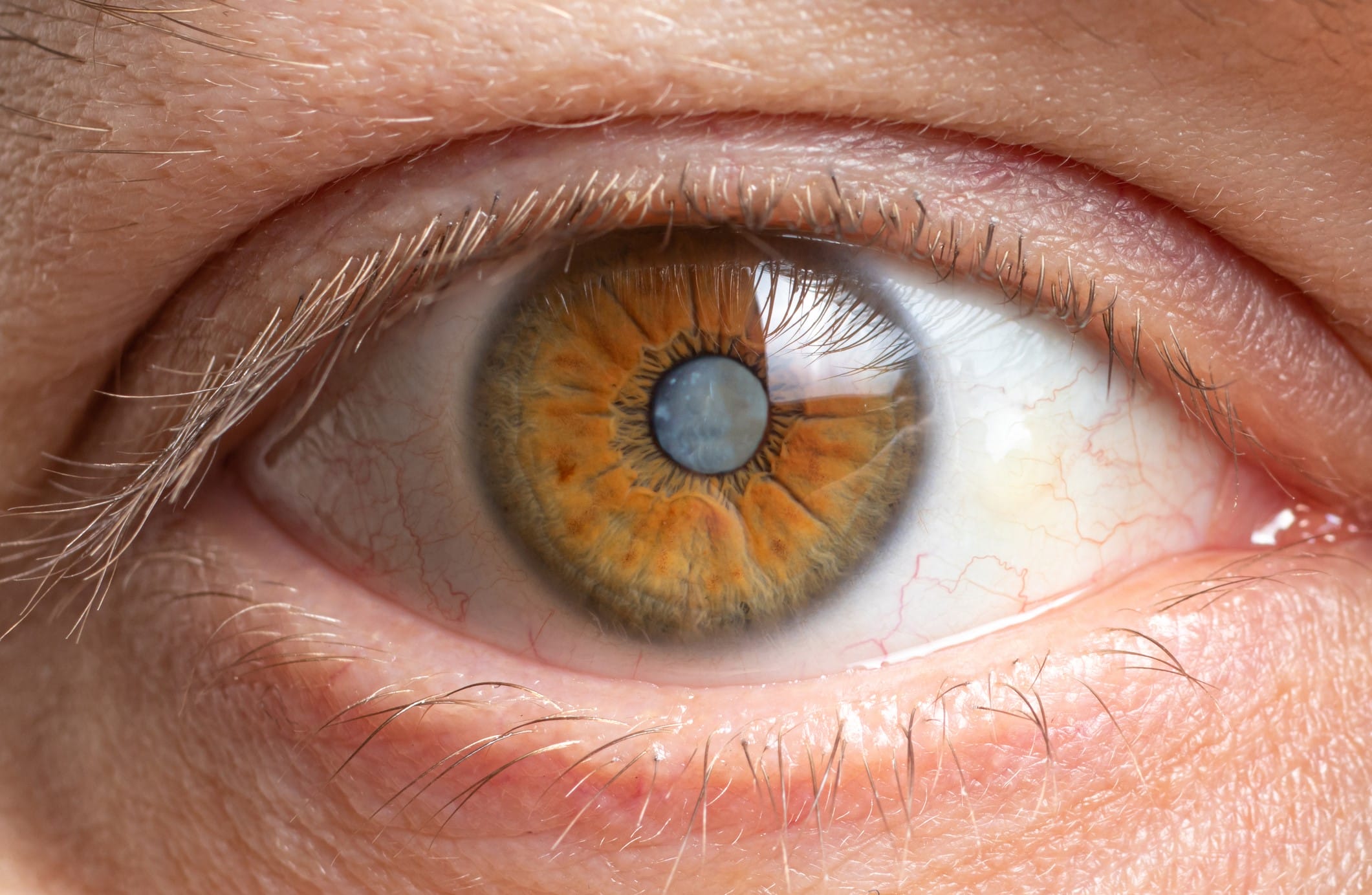
From scoliosis to obesity, heart problems and kidney stones, living with Duchenne muscular dystrophy (DMD) means facing numerous side effects and comorbidities. One of the less-known ones is cataracts — but why does an eye condition usually associated with age appear in those with DMD?
What are cataracts?
Your eye contains a lens that bends light so it is correctly focused on the retina; this helps you see. The lens should be clear, but sometimes proteins break down and make the lens cloudy. This is called a cataract.
Cataracts cause blurry or dim vision, among other sight problems; if left untreated, they can eventually cause blindness. Cataracts are usually related to aging and appear after age 60 — but they can also occur in teens and young adults with DMD.
The link between cataracts and DMD
People with DMD are at a higher risk of developing cataracts, and at a younger age compared to the general population: on average, people with DMD who get cataracts start developing them around age 13.
The connection between DMD itself and cataracts isn’t well understood. Some research indicates that a protein called Dp71 may be to blame. Dp71 is created by the dystrophin gene — the gene mutated in DMD. Dp71 may help prevent the eye’s lens from becoming cloudy, and a lack of Dp71 could explain could explain why some people with DMD get cataracts. However, more research on this is needed, and it may be that other genetic factors are involved.
The connection between cataracts and a common DMD treatment — glucocorticoids — is much clearer. Studies have found that around 22% of patients with DMD who take glucocorticoids will develop cataracts.
Read more about DMD testing and diagnosis
Understanding the impact of steroids
Glucocorticoids (such as prednisone and deflazacort) are a type of corticosteroid that are often prescribed in DMD because they reduce inflammation and help improve muscle regeneration. However, they are not a cure; they only slow down disease progression.
Corticosteroids have many well-known side effects. The most common are weight gain, bone fragility and a weakened immune system, but they can also cause cataracts. Cataracts are more likely in those taking deflazacort than in those taking prednisone, but they can occur with either steroid.
Typically, side effects from corticosteroid use become worse the longer someone takes them. When treating other conditions steroids are usually used for a shorter length of time, but this isn’t an option in a lifelong disease like Duchenne.
Monitoring eye health in Duchenne
Choosing corticosteroid treatment means accepting the risk of cataracts and other side effects — and taking steps to reduce these risks.
People with DMD should have annual eye exams to catch and monitor cataract development in its earliest stages.
If cataracts do develop, they don’t mean blindness is right around the corner. Cataracts progress very slowly. Surgery to treat cataracts is available, but it might not be needed — a study examining cataracts in DMD found that less than 2% of patients underwent cataract surgery.
Talking to your care team
Different people have different reactions to medications, and it is hard to predict how a someone with DMD will respond to corticosteroids. While some patients experience only minimal side effects, others are greatly impacted.
Steroids mean an ongoing conversation with your DMD care team about side effects and dosages. Tell your doctors about any new side effects — including vision symptoms — so treatment can be tailored accordingly.
Sign up here to get the latest news, perspectives, and information about DMD sent directly to your inbox. Registration is free and only takes a minute.
