
For many children, Halloween is a much-anticipated night filled with fun costumes, door-to-door dashes for candy and spooky decorations. But for families of children with Duchenne muscular dystrophy (DMD), the holiday can bring up some difficult challenges.
Mobility limitations, fatigue and accessibility concerns can make traditional celebrations feel out of reach. But with a little creativity and planning, Halloween can be adapted so that kids with Duchenne can participate fully and safely.
Choose adaptive Halloween costumes
Costumes are often at the heart of Halloween fun, but traditional store-bought options can be bulky, restrictive or uncomfortable, particularly for children who use wheelchairs or who tire easily.
Adaptive Halloween costumes are designed to accommodate diverse needs, from mobility challenges to medical devices and sensory processing issues. These costumes prioritize comfort and flexibility so that movement isn’t restricted.
Increasingly, mainstream retailers are offering options designed with accessibility in mind. Look for costumes made from soft, breathable materials with easy closures such as velcro instead of zippers. One-piece designs or costumes that open in the back can make dressing easier for both kids and caregivers.
For children in wheelchairs, consider costumes that integrate the chair into the design, such as a pirate ship, race car or space shuttle. Or get creative by using lightweight cardboard, fabric or foam to decorate wheelchairs in ways that match your child’s chosen costume.
Make trick-or-treating accessible
Traditional trick-or-treating can pose several obstacles for families with DMD, like uneven sidewalks, steps up to doorways and long walking distances. If you plan to go door-to-door it can be helpful to plan a shorter route ahead of time, focusing on accessible neighborhoods or houses that set up candy stations at the end of driveways.
Learn more about DMD signs and symptoms
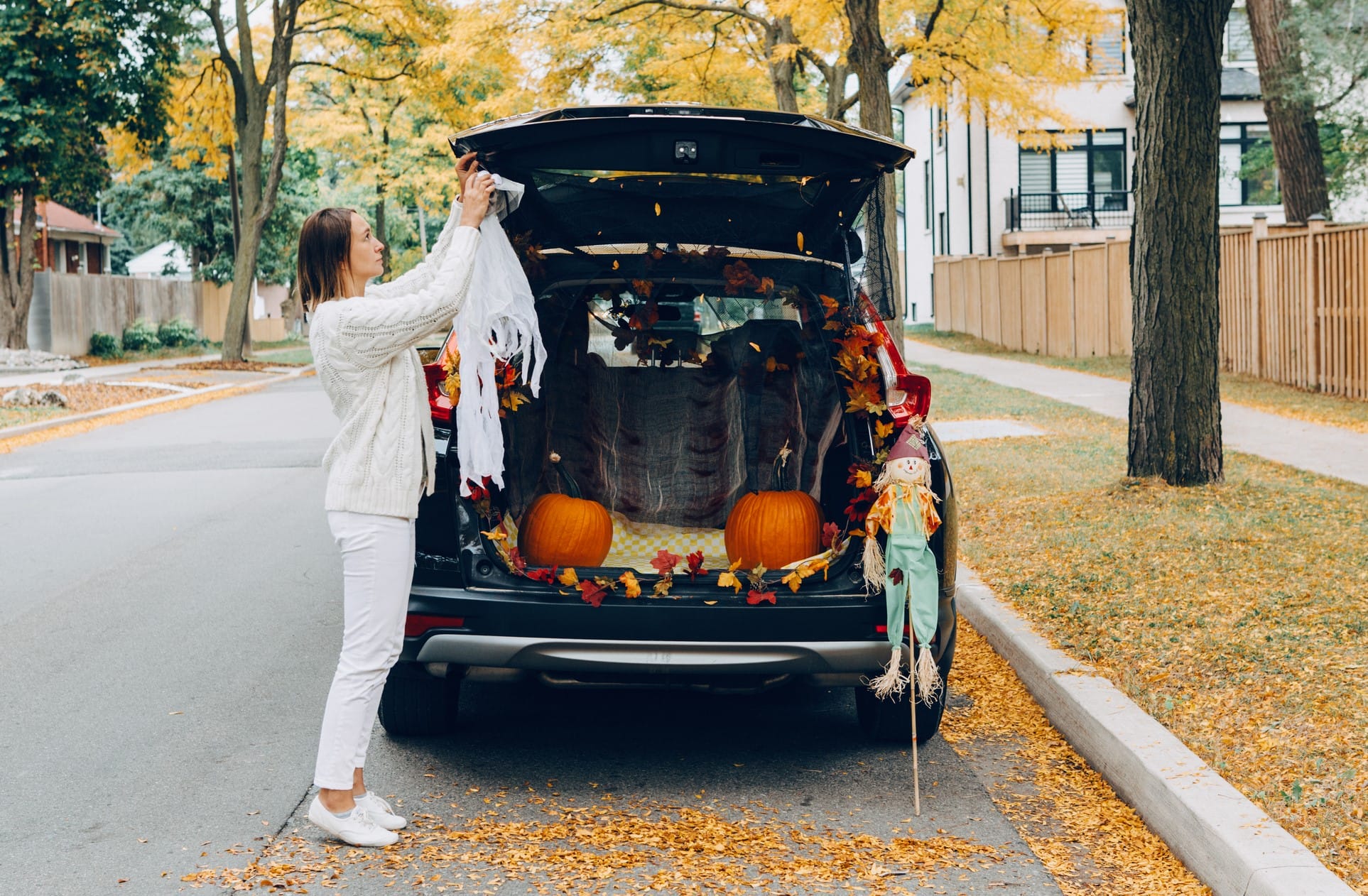
Another increasingly popular option is trunk-or-treat. These events, often organized by schools, churches or community centers, involve decorated cars parked in a lot where children go from trunk to trunk collecting candy. The flat, open space makes them more accessible for wheelchairs and mobility devices. The events often happen in the afternoon or early evening, making it ideal for kids who tire more easily.
If going out feels too overwhelming or isn’t a practical option where you live, consider hosting a small gathering at home or with friends. Trick-or-treating can happen indoors or in a backyard setup.
Incorporate alternative Halloween activities
Halloween isn’t just about trick-or-treating. The holiday also fosters a sense of fun and imagination. Plan accessible activities to bring the day to life that don’t necessarily focus on collecting candy.
Storytelling sessions with spooky (but kid-friendly) tales, Halloween-themed crafts or a cozy movie night with seasonal favorites can provide just as much magic as a night out walking door to door. Pumpkin decorating using paint, stickers or markers is a great alternative to carving. For children who may be sensitive to crowds or noise, these quieter traditions may even feel more enjoyable.
Sign up here to get the latest news, perspectives, and information about DMD sent directly to your inbox. Registration is free and only takes a minute.
