
I never expected to make it this far with Duchenne muscular dystrophy (DMD), a lifelong muscle-wasting disease. My life expectancy was supposed to be only a decade or two.
A diagnosis, and a new home
It was 1992 on a sultry, hot summer day in New Delhi, India. My parents and I were at a hospital clinic a few days after they noticed I got tired when climbing a flight of stairs and had the tendency of walking on my toes. I — age 5 and a happy, playful child — thought nothing of it. The doctor delivered the devastating diagnosis: “I’m sorry Dr. and Mrs. Munshi, but Sachin has Duchenne muscular dystrophy. If you want to treat your son and give him the best possible life, I think America would be the right place for that.”
Moving to America was what we did a few months later. While I was filled with enthusiasm at the airport, I remember seeing my parents’ distraught faces and hearing them say the term “muscular dystrophy” several times. I still didn’t understand the gravity of the situation then.
My dad had to redo his medical residency in the U.S. as I got into elementary school. I started tripping and falling a lot, with my peers often picking on me when that happened. By age 8, I had lost the ability to walk and used a manual wheelchair.
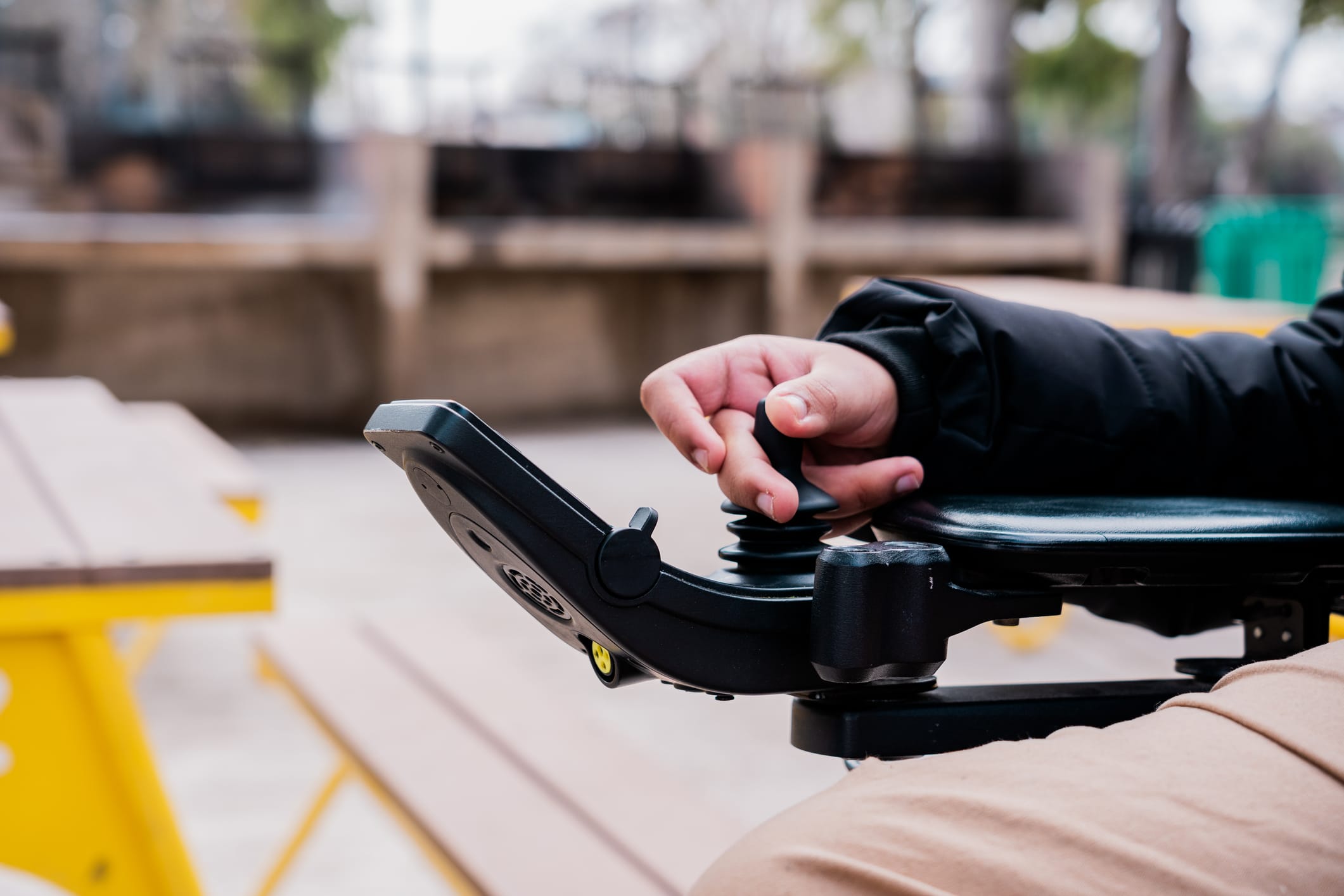
As my weakness progressed, at age 10 I switched to a power wheelchair, which I enjoyed driving by myself. This bit of independence filled not only me, but my parents and younger brother (born here in the U.S. in 1995) with joy and excitement. My brother was soon racing with me in his Little Tikes toy car, making me laugh while saying, “This is my wheelchair!”
Years later in high school, I excelled academically, while my mom tried to further her career as an educator. I was introduced to voice-activated software that allowed me to use the computer hands-free: My voice controlled the keyboard and mouse, which made it easier to complete my schoolwork. Unfortunately, I had several recurring respiratory infections that got worse by 2004. It progressed to the point that I was home-schooled for the rest of my junior and senior years and had to use a BiPAP machine and pulse oximeter when sleeping, along with a stand-by oxygen tank. This caused my mom to put her career on hold.
With my respiratory health deteriorating, I still managed to graduate high school in the summer of 2005. Not too long after, I lost the ability to drive my wheelchair and started using a noninvasive ventilator to assist with breathing better.
An academic career, with family by my side
When I entered the undergraduate program at SUNY University at Albany (UAlbany), my mom gave up her career to help support me; she served initially as my aide and notetaker, and once we acquired a wheelchair accessible van, my driver as well. I always ask her why she did that, and she still says it was because she wanted me to succeed where she hadn’t and to pursue whatever interested me.
I chose math as my major at UAlbany since this subject requires less physical ability but more analytical skills and computational activity. Upon receiving my bachelor’s, master’s and Ph.D. degrees in math, my mom was by my side as a pillar of strength, with backing from my dad and brother, of course. My dad, a neonatal doctor, not only understood the medical aspects of my rare disease but served as the glue that kept our family together on both good and bad days — and he still does. My brother also pitched in with his humor and innovative chops, as he continues to do.
I’m now 38 and have been working part-time as an online adjunct math instructor since 2021, for Grand Canyon University in Phoenix, Arizona, teaching remotely from home in upstate New York. My Ph.D. advisor has allowed me to continue doing math research under his wing. In addition to voice-activated software on the computer, I use a tablet equipped with eye gaze technology to access the web, teach online and drive my wheelchair just with the motion of my eyes!
Alongside these assistive technologies, my strong support system of family, colleagues, a small social circle of friends, doctors and the connections I’ve made in the rare disease and DMD communities give me the will to carry on despite my physical limitations. I don’t think I would be where I am today without them.
Sign up here to get the latest news, perspectives, and information about DMD sent directly to your inbox. Registration is free and only takes a minute.
